



In a stable environment, a communication mistake costs you your image. In the Sahel, it can cost far more: the safety of a team, the trust of a community, humanitarian access to an entire area.
For more than twenty years, I have worked with NGOs and international organisations in Mali and across West Africa. I have seen successful campaigns, and others that had to be pulled in a hurry, often because of an insensitive stance, a poorly received message or a photo.
From these experiences, I have drawn five simple rules. They apply to a social media post as much as to a donor report.
1. First, do no harm
Before publishing, only one question matters: could this content put someone at risk? A recognisable place, a face, a name or a logo on a vehicle can be enough to expose a person or a team.
In practice: no precise geolocation, no real-time posting of movements, and a security review of every sensitive piece of content. I remember a photo of a cash distribution in a highly sensitive area that had to be taken down immediately.
2. Dignity before emotion
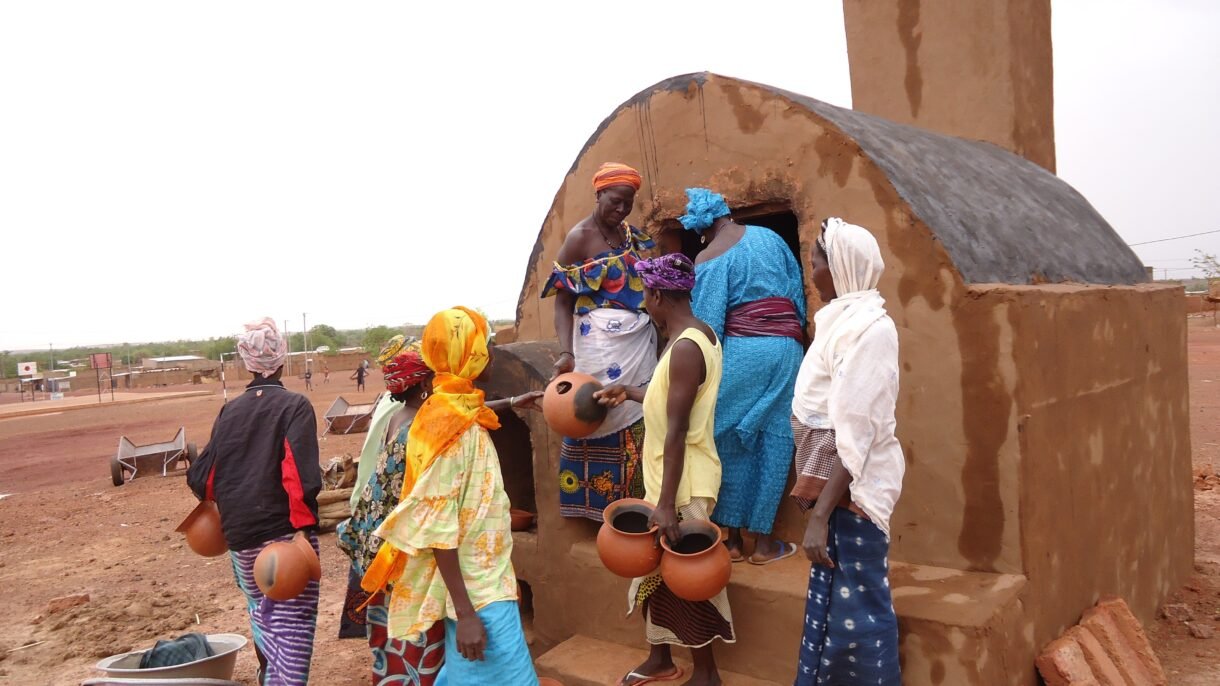
Images of distress move people, but they lock individuals into the role of victims. A woman running a cooperative tells the story of a project’s impact better than a crying child.
That idea guided the “Nyéléni” series at CARE International: giving a voice to women champions and showing them as the authors of their own story. While producing the series, I met women who had moved the lines, and it would have been so unfair to publish them at their moment of hardship.
3. Truly informed consent
A signature on a form is not enough. People must understand where their image will go, who will see it and for how long, in a language they master.
In Mali, this often means explaining in Bambara or the local language, and accepting a refusal without insisting. For minors and survivors of violence, the rule is simple: they are never identified.
4. Neutrality lives in every word
In a tense political and security context, a single adjective can be read as taking sides. Yet neutrality is often what guarantees access to people in need.
At FONGIM, every message carried on behalf of 110 international NGOs must be factual, verifiable and focused on humanitarian needs, not on the actors.
5. Prepare for the crisis before it happens
The question is not whether a communication crisis will happen, but when. A rumour on social media, an incident in the field, a quote taken out of context: everything can move very fast.
A simple plan makes all the difference: who speaks, who signs off, how quickly, and with which messages prepared in advance.
In short
Communicating in sensitive contexts does not mean communicating less. It means communicating with more care: protecting people, respecting their dignity, obtaining real consent, staying neutral and preparing for the worst.
These rules do not hold back impact. On the contrary, they build trust, and trust is what allows messages to land.
What rules do you apply in your organisation? Share them in the comments, or get in touch if you would like to train your team in sensitive communication.